 DE
DE EN
EN FR
FR ES
ES PT
PT AR
AR RU
RU
What grandparents used to hide under the mattress or behind the kitchen cupboard, parents then took to the bank: The savings should not only be safe, but also earn interest. It was therefore sensible to have as much of it as possible in the bank instead of keeping it at home. However, the interest rates for assets held in savings accounts plummeted in the 2010s. Even on a call money account, it was hardly possible to generate significant interest income. Nowadays, even amounts invested for 10 years often do not beat inflation, so the value of the account tends to decrease over time. Young and old people are therefore looking for alternative strategies to invest their money. As a rule, a higher potential return also entails a higher risk. For some investors, the stock market is an attractive alternative to a savings account. Others, however, shy away from the potentially nerve-wracking price fluctuations and the sometimes rather dry process of getting to grips with the stock market. The idea of investing hard-earned money in an object that can be used and enjoyed while simultaneously increasing in value is tempting.
The vehicle as an investment
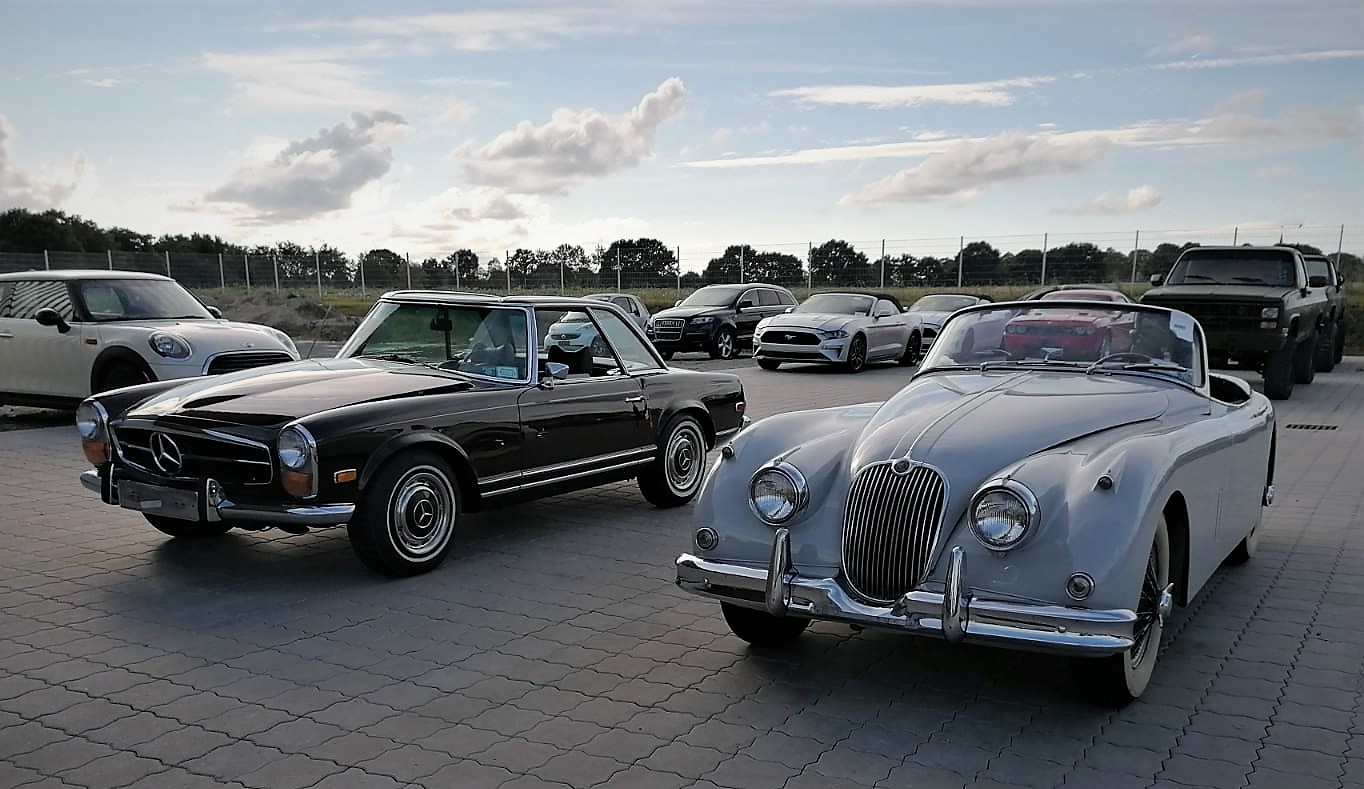
Lovers of motor vehicles promise themselves such an opportunity. Especially classic cars are popular as an investment. When a vehicle loses its status as a mere means of transport and becomes a valuable asset, it is no longer subject to the usual market criteria such as consumption, space, equipment and safety. The cost/benefit calculation is almost completely neglected. As a valuable asset, the car is then subject to the relationship between supply and demand among the wealthy. Traditional investments (real estate, stocks, gold) have been gaining in value for decades or even centuries – viewed long-term. The same applies to those vehicle models that have achieved cult status. The prime example in Germany are the transporters from Volkswagen. In contrast to little-used convertibles, T1 and Co have often been intensively used everyday and utility vehicles that have provided their owners with a not inconsiderable increase in value in recent years.
US classic cars conquer the market
One criterion for a possible increase in value for classic cars is the available quantity. Vehicles that were mass-produced in series often find it difficult to become a sought-after classic in the foreseeable future. With a large supply, demand would have to be enormous – this is rarely the prerequisite. With US classics, it looks a little different. At the time of production, very few manufacturers were represented by local dealers in Germany. The vehicles available today were largely imported to Germany long after their initial registration to attract the attention of enthusiasts and fans here. The conventional buyer of US classic cars is first and foremost exactly that: a fan. Often it is the big Hollywood productions that have turned young viewers into adult fans. If the appropriate small change is available, the dream of youth is then fulfilled. In contrast to German makes of the same age, the sporty US cars impress with their engine performance and the standard advanced equipment. While air conditioning is still a luxury for some manufacturers today, for which one has to pay a decent surcharge, it was already integrated into the standard equipment of series production in some US models in the 60s. Meanwhile, real bargains have become a rarity, as the US market has not been spared from the increased demand. But whoever takes time and expertise with them on the search can look forward to well-preserved “American sleds” that offer driving pleasure as well as value stability and the chance of an increase.